
Discover Japan’s Newest World Heritage Site: Asuka and Fujiwara
Where the foundations of Japan took shape — and where history is best explored slowly, by bicycle
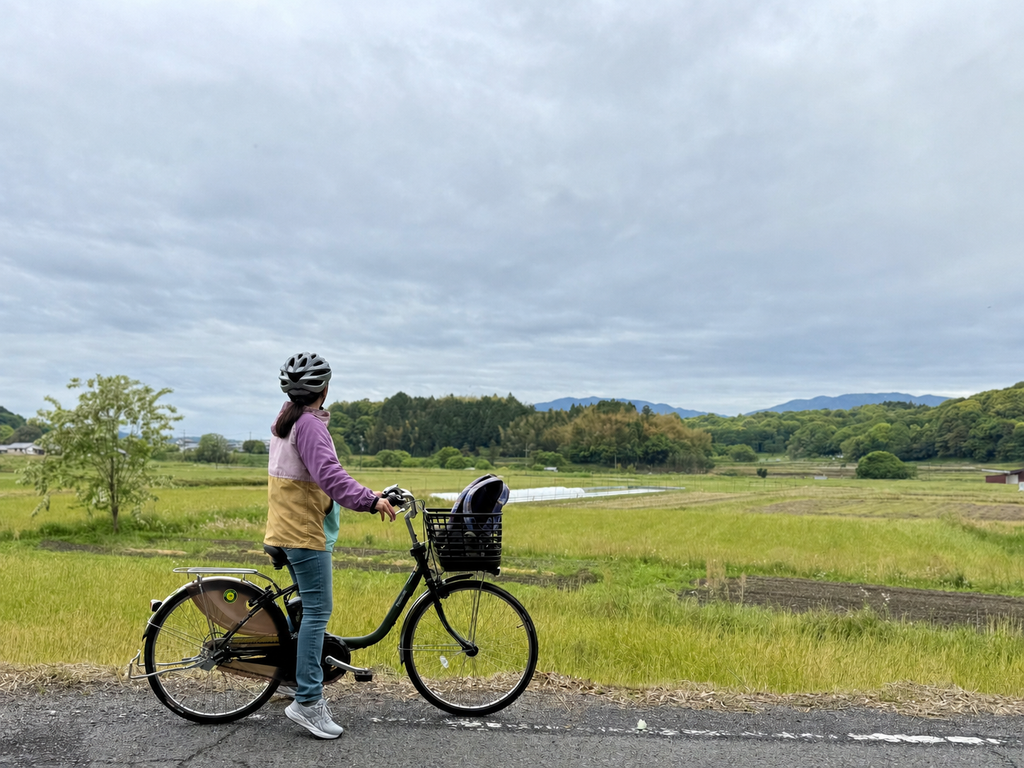
Cover Photo: Cycling through the rural landscape of Asuka, Nara Prefecture. Photo by JPtourism
On July 26, 2026, the Ancient Capitals of Asuka and Fujiwara were officially inscribed on the UNESCO World Heritage List — international recognition for a landscape that tells the story of how Japan began to take shape as a nation.
A New World Heritage Site in the Heart of Nara
Located in the southern Nara Basin, the Ancient Capitals of Asuka and Fujiwara stretch across Asuka Village and the surrounding areas of Kashihara and Sakurai. The World Heritage property brings together 19 archaeological sites, including the remains of ancient palaces, government offices, Buddhist temples, and tombs.
Together, they preserve evidence of two successive capitals: Asuka, which flourished from 588 to 694, and Fujiwara, the capital from 694 to 710. These were not simply places where rulers lived. They were the setting for a period of extraordinary change, when the political, religious, and cultural foundations of Japan were being formed.
Where Japan’s Story Began
From the late sixth to the early eighth century, Japan looked outward to the Asian continent while developing its own identity. New systems of government, Buddhist beliefs, architecture, city planning, writing, and technologies arrived through exchanges with China and the Korean Peninsula. In Asuka and Fujiwara, those ideas were adapted to create a centralized state and a distinctly Japanese capital culture.
UNESCO recognized the area because its archaeological sites clearly show how Japan’s early centralized state and capital system took shape. The palaces and administrative sites reveal the development of government. The temples trace the establishment of Buddhism. The tombs reflect changing beliefs, authority, and artistic exchange. Seen together, they offer a rare picture of a society reinventing itself.
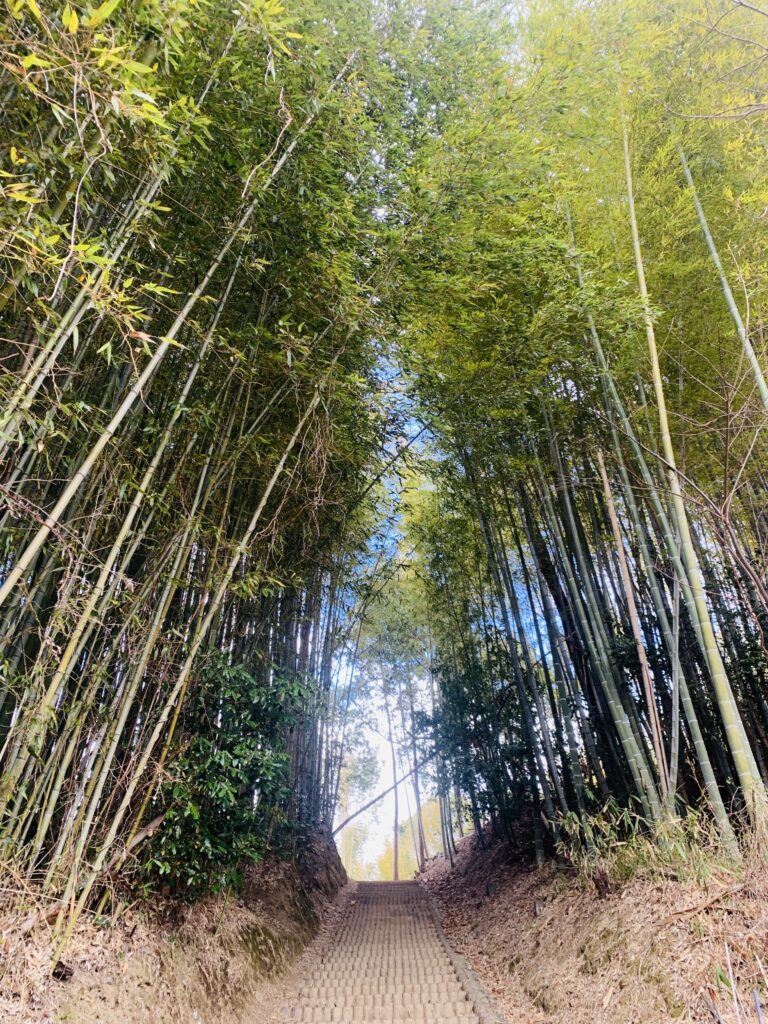
Left: A peaceful bamboo path in Asuka. Photo by JPtourism
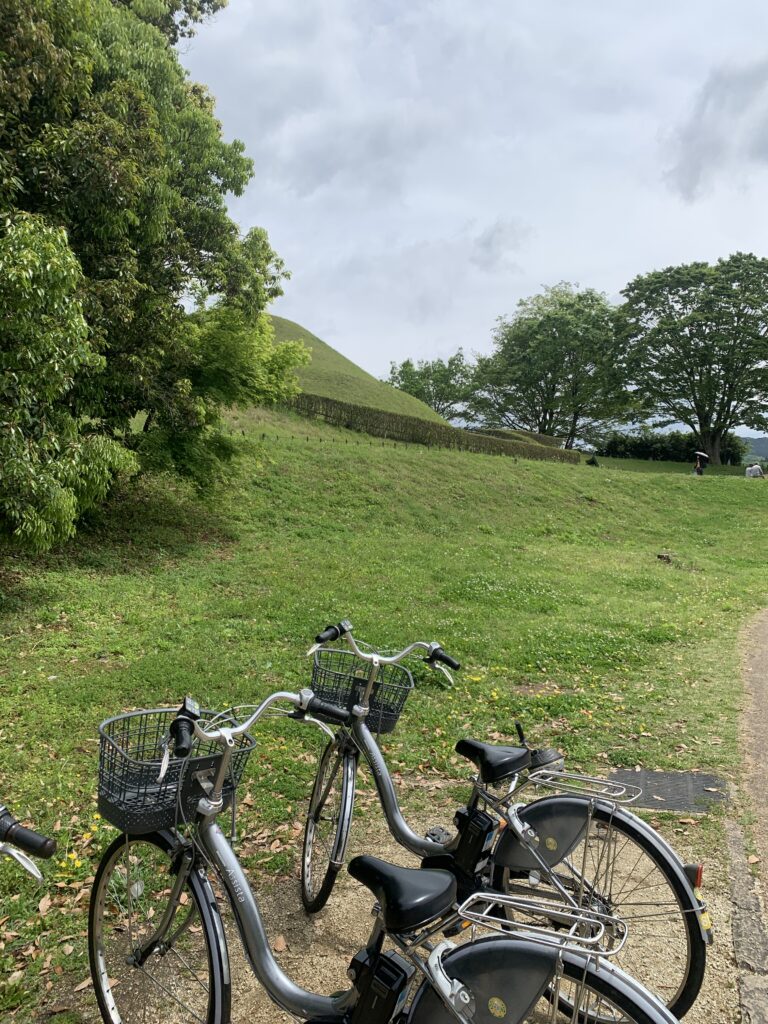
Right: Bicycles beside one of Asuka’s ancient burial-mound landscapes. Photo by Rising Sun Tours
History is still Part of Everyday Life
What makes Asuka so memorable is that its history is not separated from ordinary life. Archaeological sites lie among rice fields, vegetable farms, wooded hills, temples, shrines, and small residential lanes. A quiet road may follow an ancient route; a grassy rise may conceal a richly decorated tomb; and a village temple may stand where Buddhism first began to take root in Japan.
At Asuka-dera, founded in the late sixth century, visitors encounter a place closely connected with the beginnings of institutional Buddhism in Japan. The temple’s celebrated Asuka Daibutsu is traditionally regarded as Japan’s oldest Buddhist statue with a known date of manufacture. Its calm expression offers an intimate connection to the people who lived through this remarkable period of change.
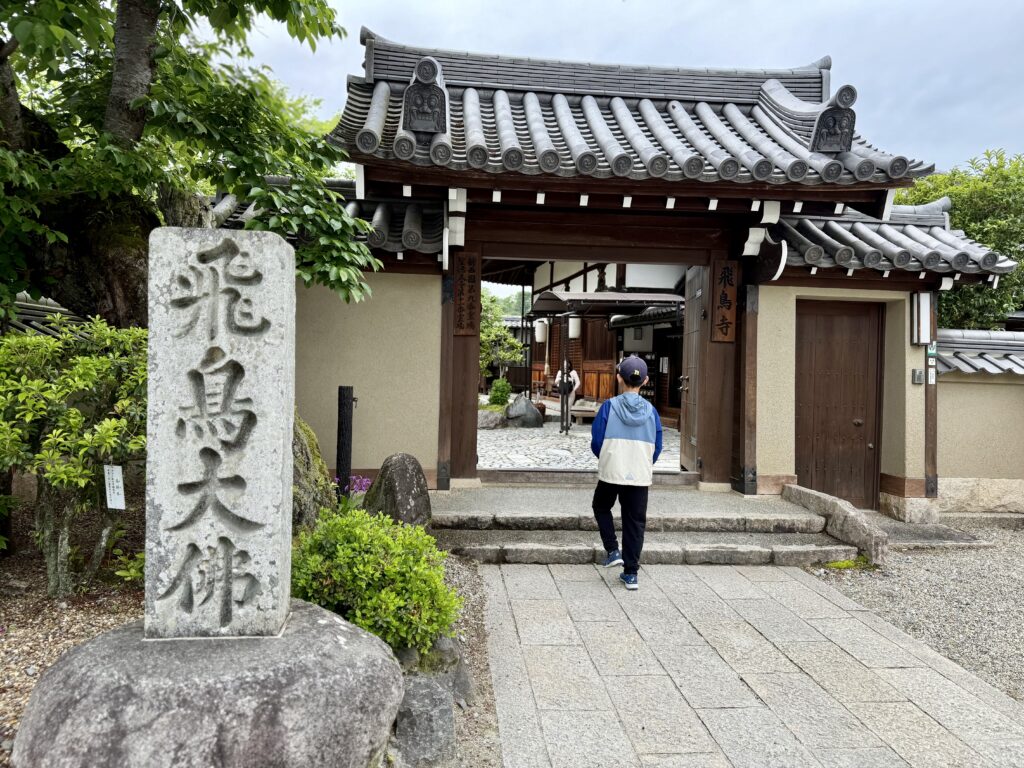
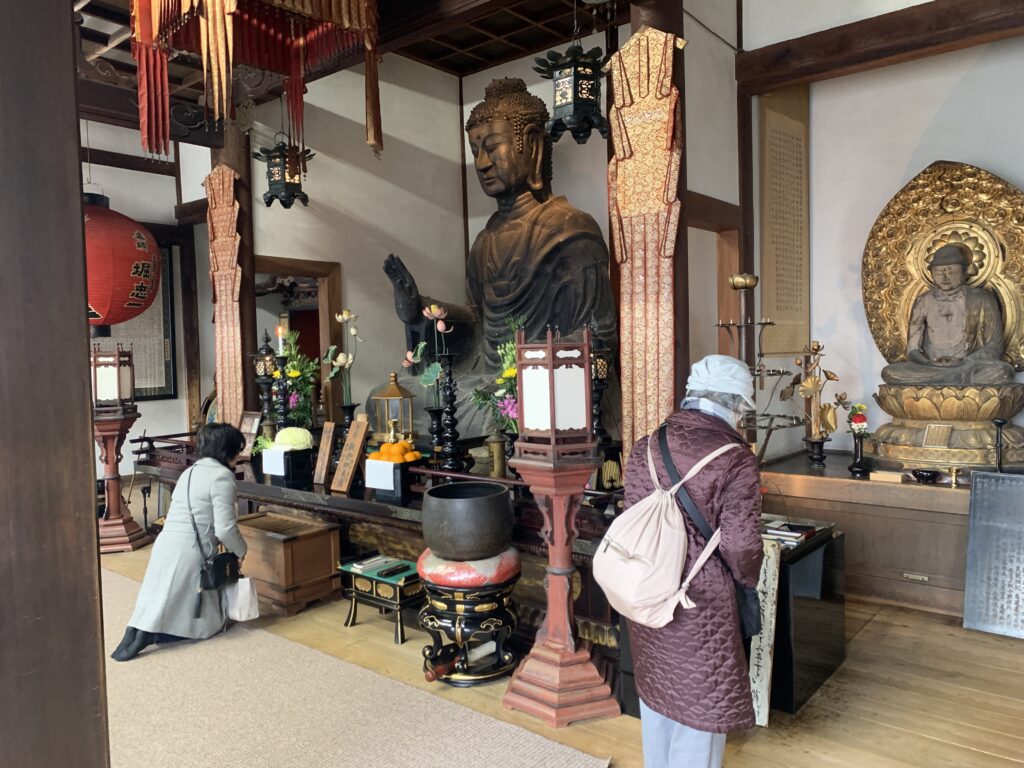
Left: The entrance to Asuka-dera, one of the most important early Buddhist sites. Photo by JPtourism.
Right: The Asuka Daibutsu at Asuka-dera, traditionally regarded as Japan’s oldest dated Buddhist statue. Photo by Rising Sun Tours
Why Asuka is Best Explored by Bicycle
Asuka is not a destination defined by a single monument. Its story is spread across the landscape, and the journey between sites is part of the experience. Cycling allows you to move naturally from temple precincts to ancient tombs, across fields, and through peaceful village lanes while noticing the details that are easily missed from a car.
A bicycle also offers the right pace for Asuka. It covers wider area than walking but still leaves time to stop, look, listen, and understand how each place connects with the next. With an e-bike, the area’s gentle slopes become accessible to a wider range of travelers, leaving more energy to enjoy the scenery and stories along the way.
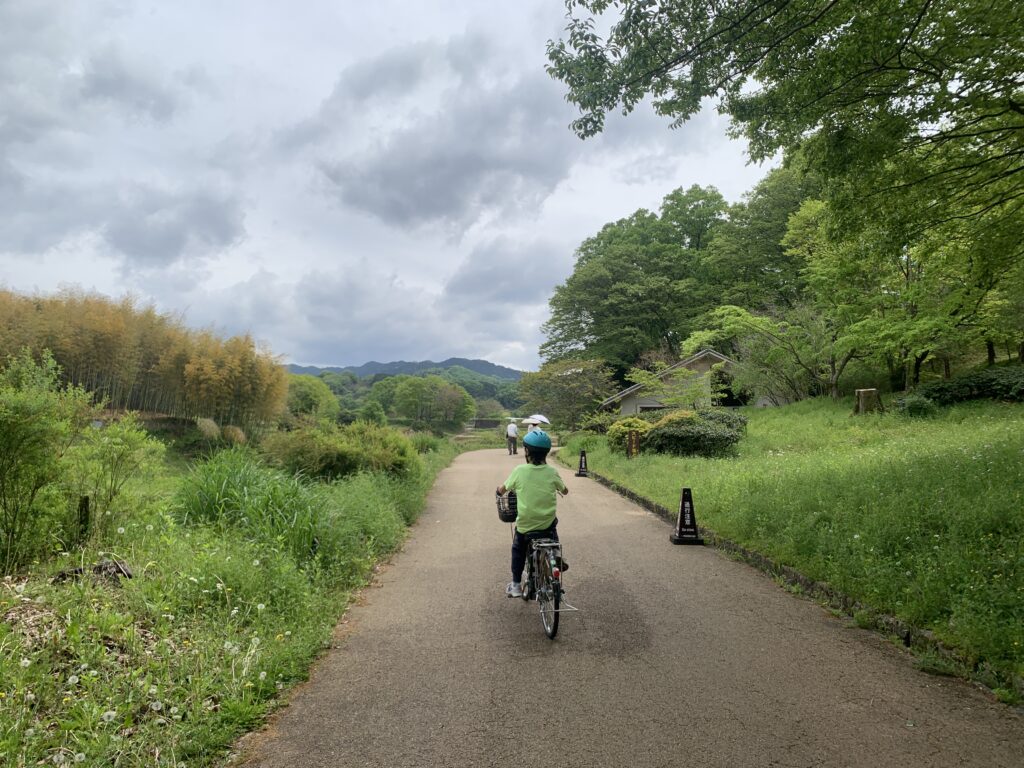
A quiet cycling route through Asuka’s green landscape. Photo by Rising Sun Tours
A Living Heritage Landscape
World Heritage recognition celebrates Asuka and Fujiwara’s global importance, but it also reminds us that this landscape must be cared for. These archaeological sites exist alongside working farms, local homes, and communities whose daily stewardship has helped preserve the area’s character.
Visitors can support that effort by staying on designated paths, respecting private land, keeping noise to a minimum, and choosing local shops and experiences. Traveling slowly and thoughtfully helps ensure that Asuka remains both a welcoming place to visit and a meaningful place to live.
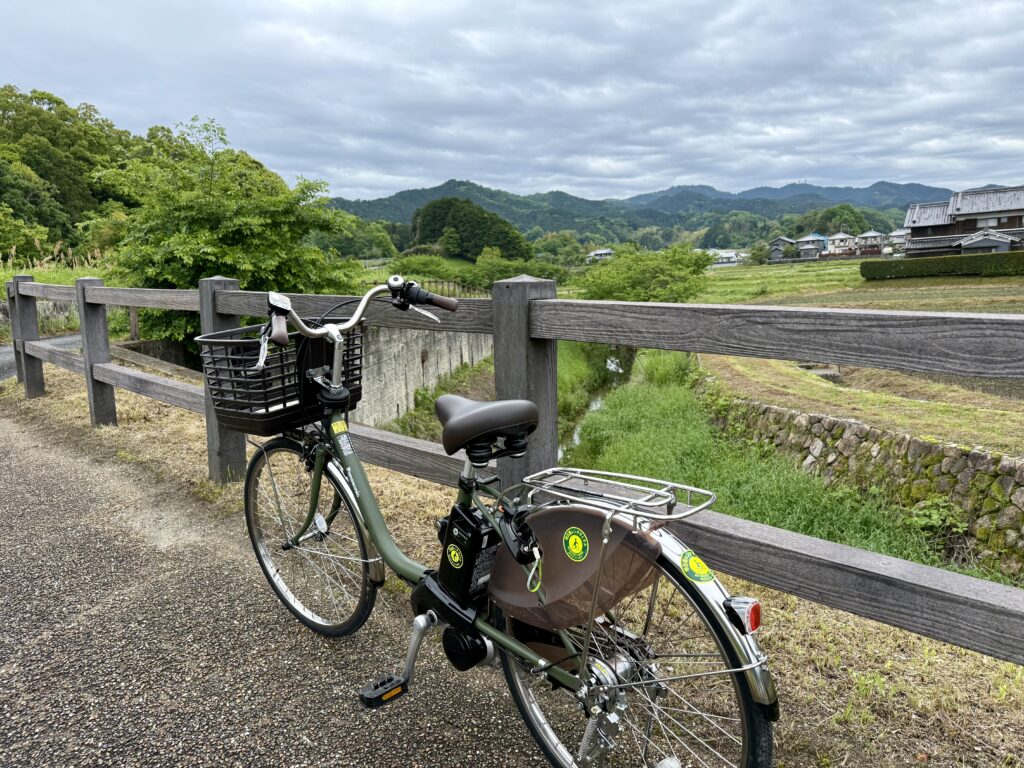
An e-bike overlooking the fields, waterways, villages, and hills of Asuka. Photo: JPtourism
Experience the World Heritage Landscape by E-bike
Join a small-group guided ride through Asuka’s historic landscape. Discover celebrated sites and quieter corners while learning how ancient history, rural life, and the natural environment remain connected today!
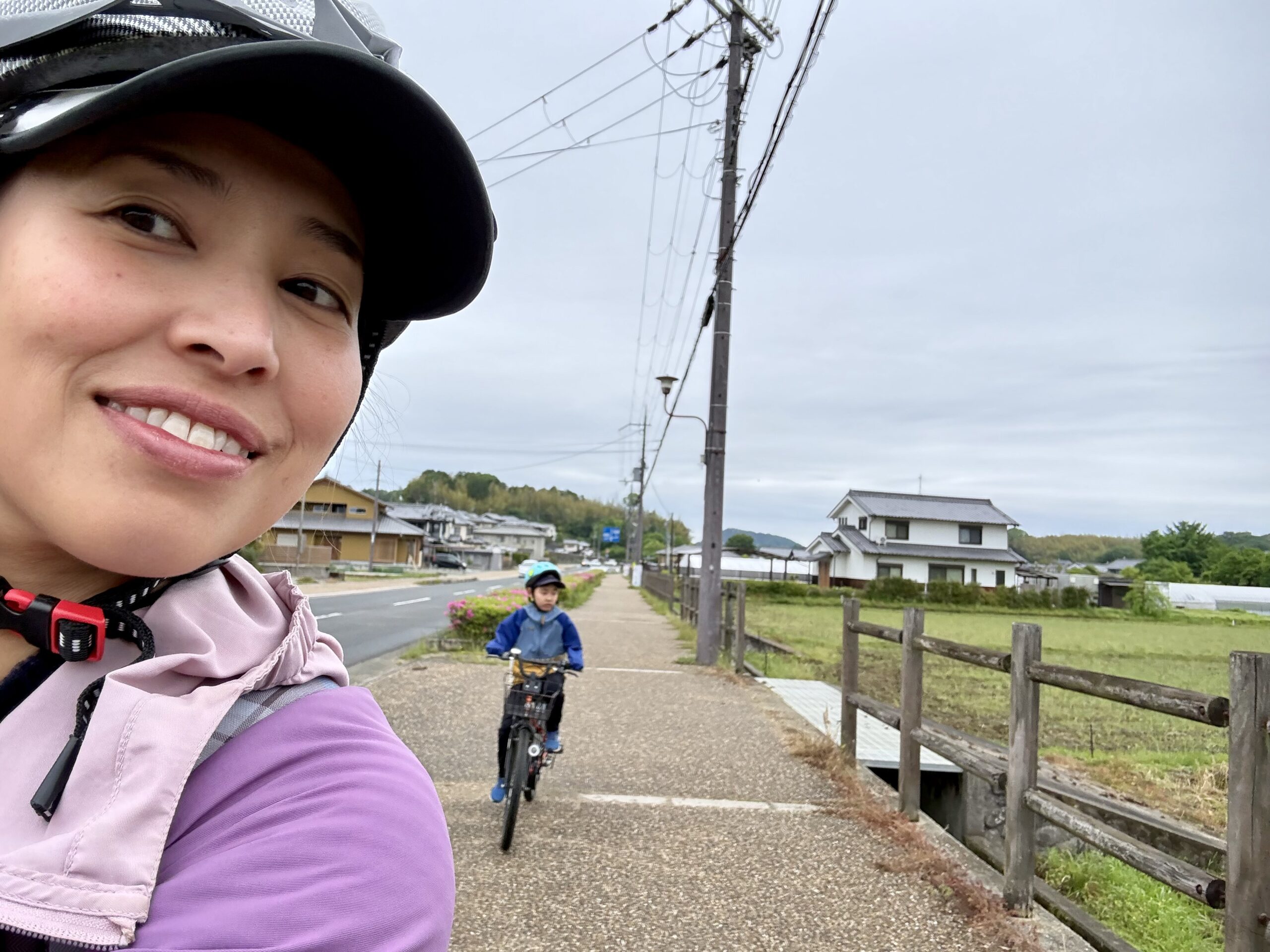
– The Author’s Note
I was amazed by how much history is hidden within this peaceful village. At Asuka-dera, the head priest told us, “You are now looking at the same Buddha from the same angle as Prince Shōtoku did more than 1,400 years ago.” Prince Shōtoku is a name every Japanese person learns in school!! So for a moment, history felt incredibly close and real.